





Marketplace Suites Blog


Best Snorkeling in St. John
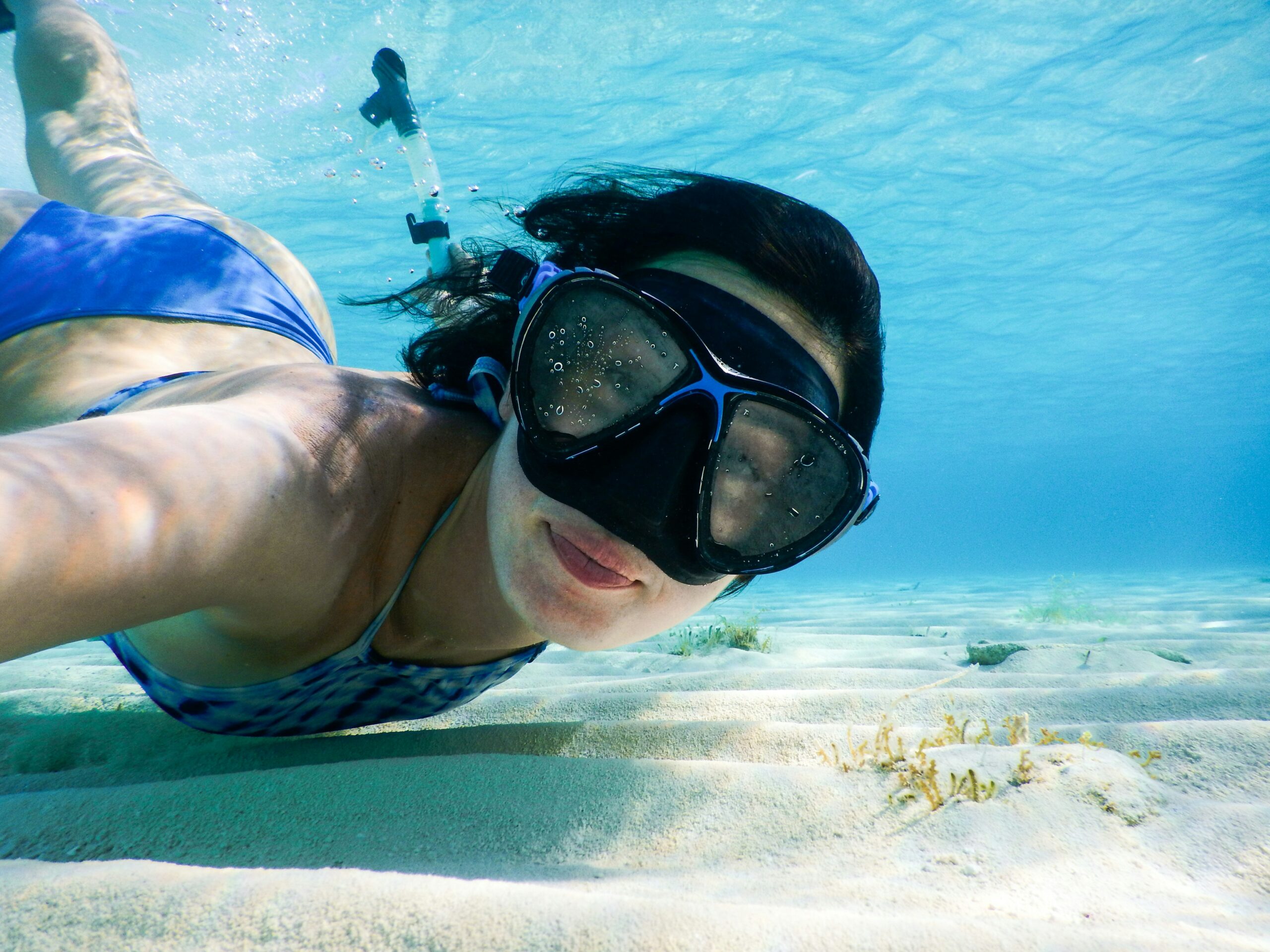
Two-thirds of St. John is protected as Virgin Islands National Park, and 40% of that park is underwater. That single fact explains everything. No other island in the US Virgin Islands offers this concentration of healthy reef, seagrass beds, and marine life within such easy reach of shore. The water is warm. Visibility is exceptional. Turtles are genuinely common. And the range of spots means there is something rewarding at every skill level, from five-year-olds wading into Maho Bay to experienced snorkelers exploring dramatic wall topography at Haulover Bay North.
The challenge is not finding a good snorkel spot. It is deciding which ones to prioritize. This guide breaks down the six best snorkeling locations in St. John, what you will actually see at each one, and everything you need to know before you get in the water. All of these spots are accessible from Marketplace Suites in Cruz Bay, which sits at the gateway to the island’s most celebrated north shore snorkeling.
1. Trunk Bay All skill levels

Trunk Bay is the most famous beach in the US Virgin Islands, and its underwater snorkel trail is the reason most people come here specifically to get in the water. Managed by the National Park Service, the 225-yard self-guided trail follows the west side of Trunk Bay Cay through depths of 3 to 18 feet, with underwater stone plaques explaining the coral formations and marine life surrounding them. Visibility is good enough to see the bottom at all times. It is the kind of experience that does not require any prior knowledge to feel genuinely educational.
Beyond the trail itself, Trunk Bay delivers on marine life. Expect sea turtles, eagle rays, parrotfish, blue and yellow tangs, angelfish, and the occasional squid. Lifeguards are on duty daily, snorkel gear is available for rent on-site, and the beach has full facilities including food, chairs, and umbrellas. It is, by a significant margin, the most visitor-ready snorkeling spot on the island.
One practical note: arrive early. Trunk Bay draws cruise day-trippers and tour groups, and the parking lot fills before midday. Being in the water by 8 or 9 AM means calmer conditions, better visibility, and far fewer people sharing the trail.
Location: North Shore Road, approximately 10 minutes from Cruz Bay. Entrance fee: $4 per adult, free for ages 16 and under. Gear rentals and a lifeguard are available on-site.
2. Waterlemon Cay Intermediate
Ask any local where to snorkel in St. John and Waterlemon Cay will be on the list, usually near the top. It consistently earns its reputation as the most beloved snorkeling destination on the island among those who know it well. Getting there requires a roughly one-mile flat hike along the Leinster Bay Trail from the Annaberg Plantation parking area. Follow the trail past the moored sailboats to the point closest to the cay, then swim out. The payoff is worth the effort.
The marine life density here is exceptional. Abundant seagrass beds attract sea turtles and eagle rays. Healthy coral supports dense populations of tropical fish, and there is a genuine chance of spotting octopuses camouflaged along the rocky edges. The cay rewards a full circumnavigation by snorkel if conditions allow.
One important heads-up: the water entry is rocky and sea urchins are present close to shore. Water shoes or dive booties are strongly recommended. This is not a spot for young children still building water confidence, but for anyone comfortable in open water, it delivers the most immersive snorkeling experience on St. John. There are no on-site facilities, so bring everything you need.
Location: East end of Leinster Bay, north shore. Free access. No gear rentals on-site.
3. Maho Bay Beginner-friendly
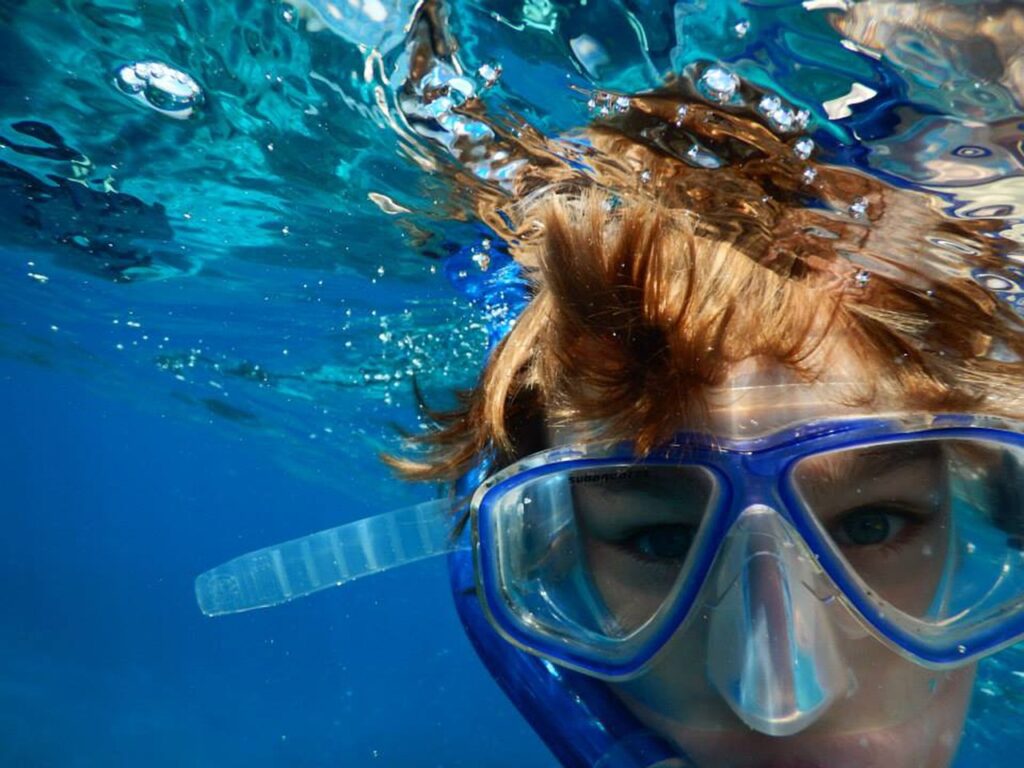
If seeing sea turtles is the priority, Maho Bay is the answer. The seagrass beds lining this bay are a reliable feeding ground, and turtle sightings here are about as close to guaranteed as wildlife gets. Visitors regularly share the water with multiple turtles at once. The seagrass also draws rays and a healthy mix of smaller reef fish. For the best coral coverage, snorkel along the north side of the bay out toward Maho Point.
Beyond the turtles, Maho works extremely well as a full-day beach stop. The calm, shallow water suits beginners and kids comfortably. Maho Crossroads is directly across the street and offers food, drinks, chair rentals, kayaks, and paddleboards, making it easy to spend several hours here without needing to pack much in.
Parking is limited and fills quickly, particularly on weekends. Plan to arrive by 8 AM if you want a smooth start.
Location: North Shore Road, east of Trunk Bay. Free public beach. Rentals and food available at Maho Crossroads across the street.
4. Salt Pond Bay Intermediate
Most visitors to St. John concentrate on the north shore, which means the south shore spots like Salt Pond Bay remain noticeably less crowded and equally rewarding. The bay is accessible via Route 107, with a short parking area and a 10-minute walk down to the beach. The crescent shape is striking, and the snorkeling improves significantly as you move toward the rocky outcroppings in the center of the bay.
Expect colorful hard coral, moon jellyfish when conditions bring them through, squid, and a solid variety of tropical fish. Salt Pond also combines well with the Ram Head hike for visitors who want to pair water time with one of St. John’s best coastal views. It is an excellent option on days when north shore winds are kicking up and conditions at Trunk Bay or Maho are less than ideal.
Location: Route 107, south shore near Coral Bay. Free access. Short walk from parking.
5. Haulover Bay North Advanced
Haulover Bay North offers something the more popular spots do not: dramatic underwater topography. The western side of the bay has submerged boulders and small underwater caves. The eastern side features a sheer wall that drops in steps toward the center of the bay, and it is not unusual to encounter large permit, jacks, and big snapper patrolling the deeper water alongside hard corals, rays, and conch.
The entry point requires a short five-minute walk and can be tricky to locate the first time. For confident open-water swimmers who have already checked the standard north shore spots, Haulover Bay North is well worth the extra effort. It sees a fraction of the foot traffic of Trunk Bay and rewards those who find it.
Location: East End Road, east of the national park boundary. Free access. Very low crowds.
6. Honeymoon Beach Beginner-friendly
Honeymoon Beach earns its place on this list for its proximity to Cruz Bay and the quality of what is in the water given how easy it is to reach. The patch reef on the western side of the beach holds several coral species including brain coral, lettuce leaf, elkhorn, and pillar coral. Sea turtles and rays make regular appearances off the rocky point between Honeymoon and adjacent Salomon Beach.
Access is via the Lind Point Trail, which starts near the Virgin Islands Visitor Center in Cruz Bay and takes about 20 to 30 minutes to walk in. A small water sports operation on the beach offers gear rentals. For guests staying at Marketplace Suites, this is the closest quality snorkel experience, walkable from Cruz Bay without a car.
Location: Approximately one mile via Lind Point Trail from Cruz Bay. Free access. Gear rentals available on the beach.
Trunk Bay vs. Waterlemon Cay: Which Should You Choose?
These two spots come up in every St. John snorkeling conversation, and the right answer depends entirely on what you want from the experience.
Choose Trunk Bay if you are visiting St. John for the first time, traveling with children, or want the convenience of on-site gear rentals, a lifeguard, and food. The underwater trail adds real educational value, the entry is easy, and it is the most reliably photogenic beach on the island. The $4 entrance fee is not a deterrent.
Choose Waterlemon Cay if you have done Trunk Bay before or simply want a more earned, less polished experience. The hike filters out casual visitors, the marine life density is higher, and there are no tour boats unloading groups onto the beach beside you. Bring water shoes, bring your own gear, and go early.
Both spots are worth doing on a trip of four nights or more, which is another reason to stay long enough to explore the island properly.
What to Know Before You Get in the Water
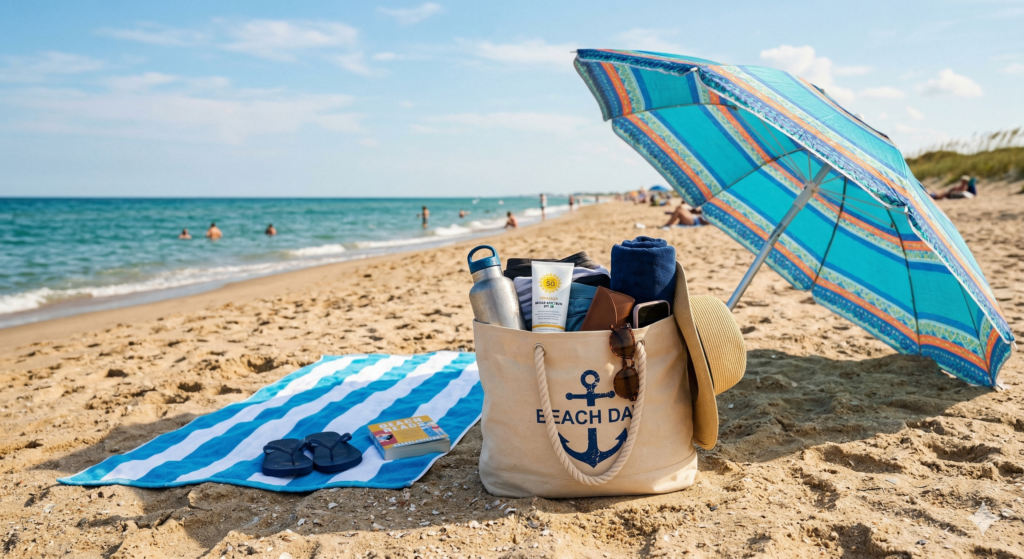
Reef-safe sunscreen is not optional. Chemical sunscreens are prohibited throughout Virgin Islands National Park. This is strictly enforced, and the rule exists to protect the coral you came to see. Use reef-safe mineral sunscreen only. Buy some before your trip or pick it up in Cruz Bay when you arrive.
Bring the right gear. Trunk Bay and Honeymoon Beach have on-site rentals. For every other spot on this list, bring your own or rent from a shop in Cruz Bay before you head out. A mask, snorkel, fins, and a pair of water shoes or dive booties will cover you at any location on this list.
Go early. Early morning is better at every single spot without exception. Calmer water, better visibility, fewer people, and more active marine life before midday boat traffic disturbs the bay. Plan to be in the water by 8 or 9 AM, particularly at Trunk Bay and Maho Bay where parking and crowds build quickly.
Check conditions before you go. When trade winds are strong, north shore beaches can get choppy and visibility can suffer. South shore spots like Salt Pond Bay are often calmer on those same days. A quick weather and wind check the night before lets you adjust your plan accordingly.
Respect the environment. All of these spots are within or adjacent to protected national park land. No coral touching, no shell collection, no standing on reef. The same principles that apply on a protected hiking trail apply underwater here.
Watch for rocky entries. Rocky entries are common at Waterlemon Cay and Haulover Bay North in particular. A pair of neoprene dive booties or water shoes is worth packing regardless of where you plan to snorkel.
If you prefer to explore by boat rather than from shore, Cruz Bay has several reputable tour operators running snorkel excursions through Virgin Islands National Park. Boat access opens up sites like the Tektite reef at Great Lameshur Bay, which is significantly harder to reach by land. Ask the team at Marketplace Suites for current recommendations from operators they trust.
Your Base for Snorkeling St. John
The spots above span the full island, but the majority of the best locations are concentrated on the north shore and all of them are reachable by car in 30 minutes or less from Cruz Bay. Marketplace Suites sits in the heart of Cruz Bay, directly central to everything: the inter-island ferry dock, car and scooter rentals, gear shops, and the trailhead for Honeymoon Beach. It is the most practical base of operations for a snorkeling-focused trip. The property offers standard and deluxe suites that comfortably accommodate couples and families, with the kind of setup that makes rinsing off after a full day in the water and heading out to dinner in Cruz Bay feel effortless. A trip built around St. John’s snorkeling warrants at least four nights to do it properly, and the best way to make that happen is to book directly with Marketplace Suites for the best available rate with no third-party markup.